



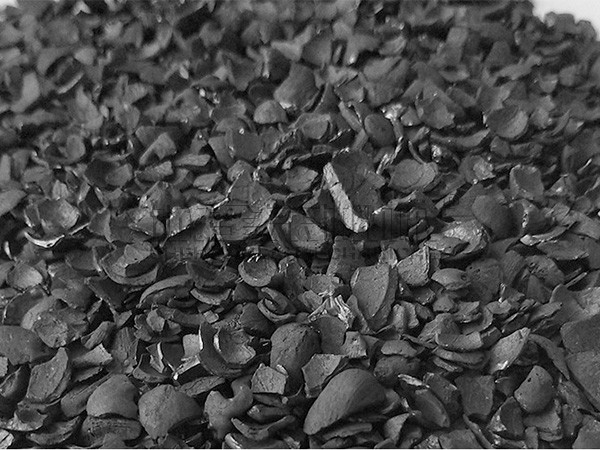
The Biomass Carbonization Plant is an advanced system designed to convert organic materials like sawdust, wood chips, and agricultural waste into biochar through a high-temperature pyrolysis process. This eco-friendly solution not only helps in waste management but also produces valuable biochar, which can be used as a soil enhancer or renewable energy source. With its efficient design and sustainable approach, the Biomass Carbonization Plant is ideal for industries looking to reduce waste and generate clean energy.

The equipment is perfect for businesses in the agriculture, forestry, and biomass energy sectors. It caters to those who want to recycle organic waste, produce biochar for soil improvement, or generate renewable energy. Farmers, sawmill owners, and bioenergy companies will find this plant particularly beneficial for its cost-effectiveness and environmental benefits.
Carbonization Plant Working Principle
The Biomass Carbonization Plant uses pyrolysis, a thermal decomposition process in the absence of oxygen, to convert biomass into biochar. This method ensures maximum energy recovery and minimal environmental impact.
Pre-Treatment: Raw biomass materials, such as sawdust, are first crushed into smaller, uniform particles using the dust-free crusher. This step ensures consistent processing in subsequent stages.
Drying: The crushed biomass is then fed into the dryer, where excess moisture is removed. Proper drying is critical to ensure efficient carbonization and prevent energy loss during the pyrolysis process.
Briquetting: The dried biomass is compressed into briquettes using the briquette machine. This step increases the material’s density, making it easier to handle and improving the efficiency of the carbonization process.
Carbonization: The briquettes are transferred to the carbonization furnace, where they are heated to temperatures between 400°C and 600°C in an oxygen-free environment. During this stage, volatile gases are released, and the biomass undergoes thermal decomposition, leaving behind high-quality biochar.
Gas Recycling: The volatile gases produced during carbonization are captured and recycled as fuel to heat the furnace, creating a self-sustaining energy loop that reduces external energy requirements.
Cooling and Collection: The biochar is cooled and collected for storage or further processing. The entire process is designed to maximize energy efficiency and minimize environmental impact.
Charcoal Carbonization Process
The Biomass Carbonization Plant operates through a seamless process: Sawdust → Crushing → Drying → Briquetting → Carbonization.
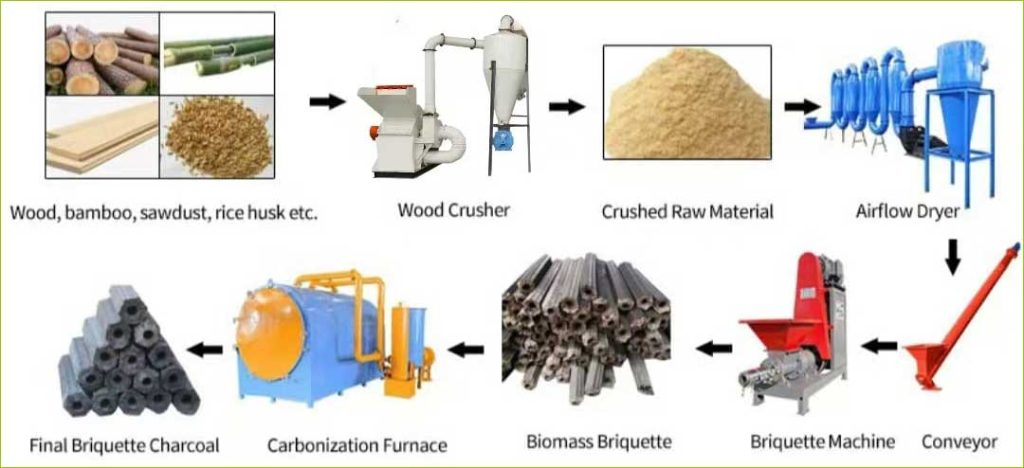
Dust-Free Crusher: This machine crushes raw materials like sawdust into fine particles, ensuring uniform size for efficient processing.
Dryer: The dryer removes moisture from the crushed biomass, preparing it for the next stage.
Briquette Machine: The dried biomass is compressed into dense briquettes, increasing energy density and improving carbonization efficiency.
Carbonization Furnace: The briquettes are heated in an oxygen-limited environment, transforming them into high-quality biochar.
Carbonization Furnce Equipment Specifics
Carbonization Furnace Features
Eco-Friendly: Reduces waste and emissions while producing renewable energy.
High Efficiency: Processes 1 ton of sawdust per hour, ensuring large-scale production.
Automated Operation: Minimal manual intervention required, reducing labor costs.
Durable Design: Built with high-quality materials for long-lasting performance.
Conclusion
The Biomass Carbonization Plant is a cutting-edge solution for sustainable waste management and renewable energy production. By transforming sawdust and other biomass into biochar, it offers both economic and environmental benefits. Whether you’re looking to reduce waste, improve soil quality, or generate clean energy, this plant is the perfect investment. Contact us today to learn more about how our Biomass Carbonization Plant can meet your needs and help you achieve your sustainability goals!